news.pxlfrg.com

Filters

Space

Space Phys.org Space · 20h ago

Hubble reveals spiral galaxy 53 million light-years away in striking detail

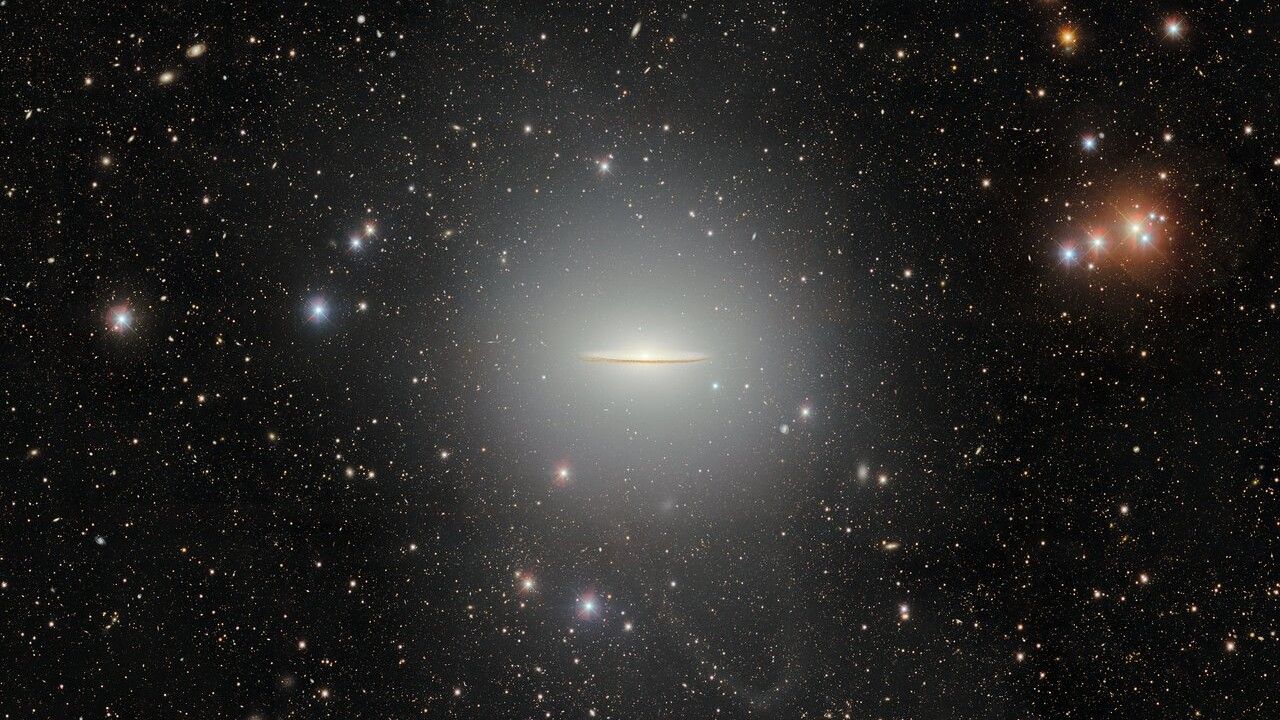
In this new image by the NASA/ESA Hubble Space Telescope, a spiral galaxy glittering with star clusters is the center of attention. NGC 3137 is located 53 million light-years away in the constellation Antlia (The Air Pump). As a nearby spiral galaxy, this target offers astronomers an excellent opportunity to study the cycle of stellar birth and…

Read →
Space Phys.org Space · 2d ago

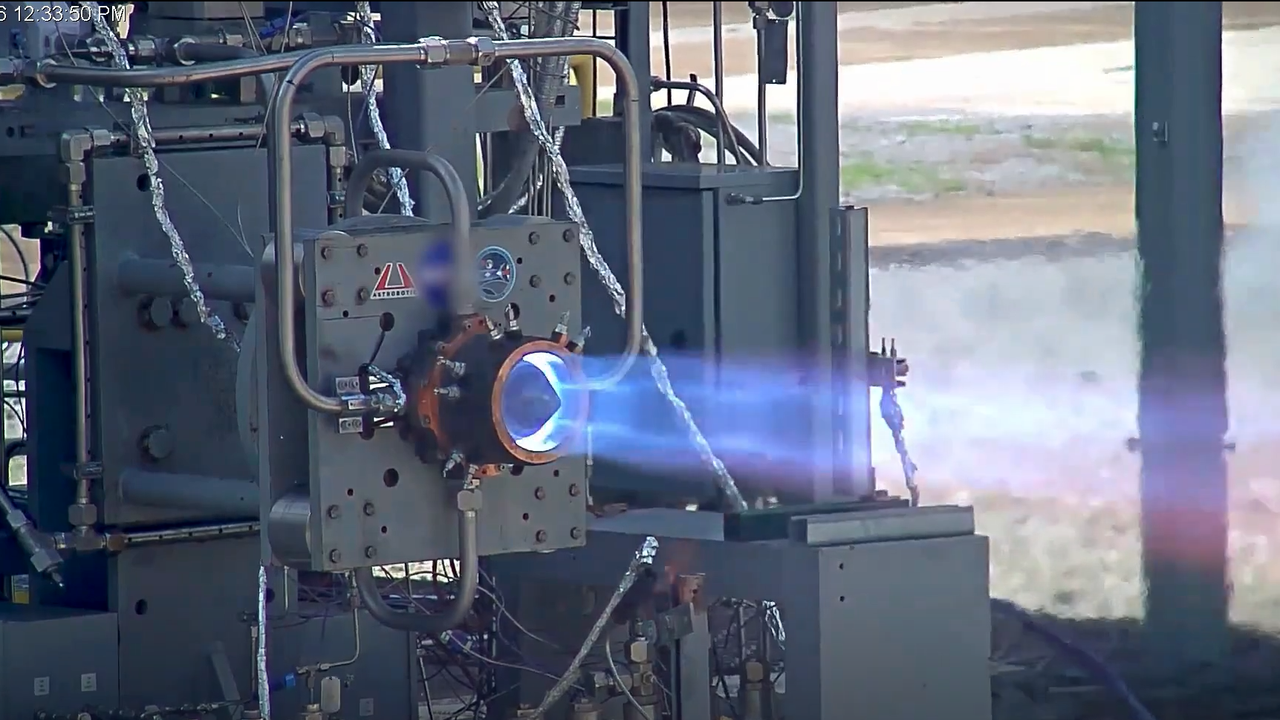
NASA fires up powerful lithium-fed thruster for trips to Mars

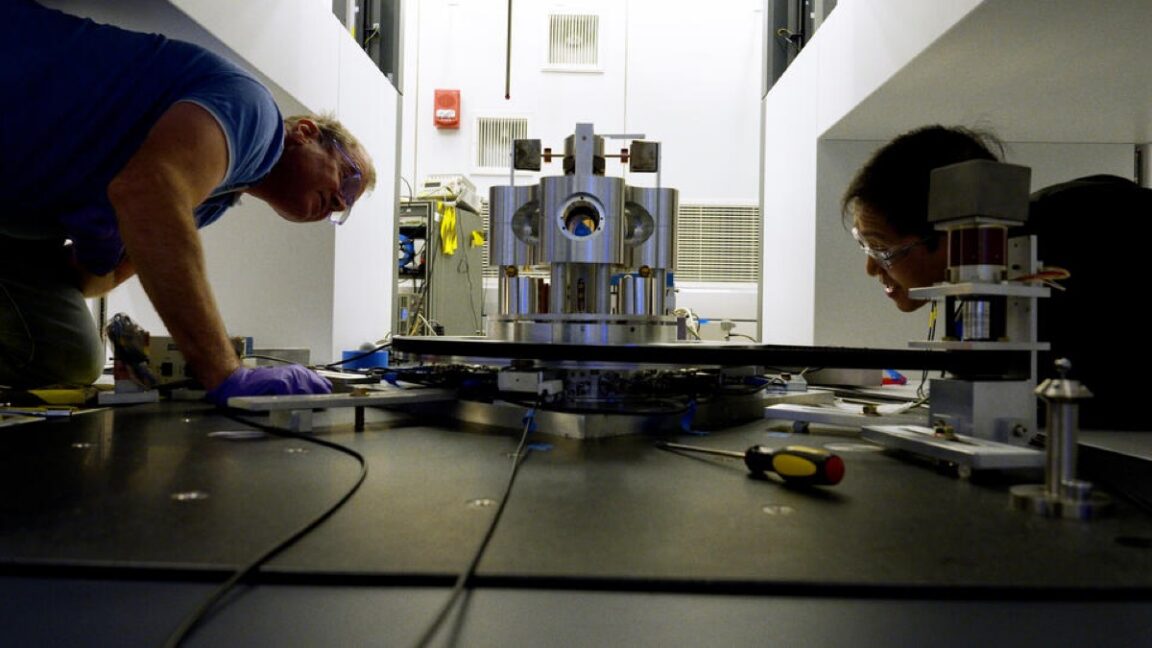
A technology that could propel crewed missions to Mars and robotic spacecraft throughout the solar system was recently put to the test at NASA's Jet Propulsion Laboratory in Southern California. On Feb. 24, for the first time in years and at power levels exceeding any previous test in the United States, a team fired up an electromagnetic thruster…

Read →
Space Phys.org Space · 2d ago

Thinner than hair and stretchable like rubber, this new shield tackles a space-age problem in one layer

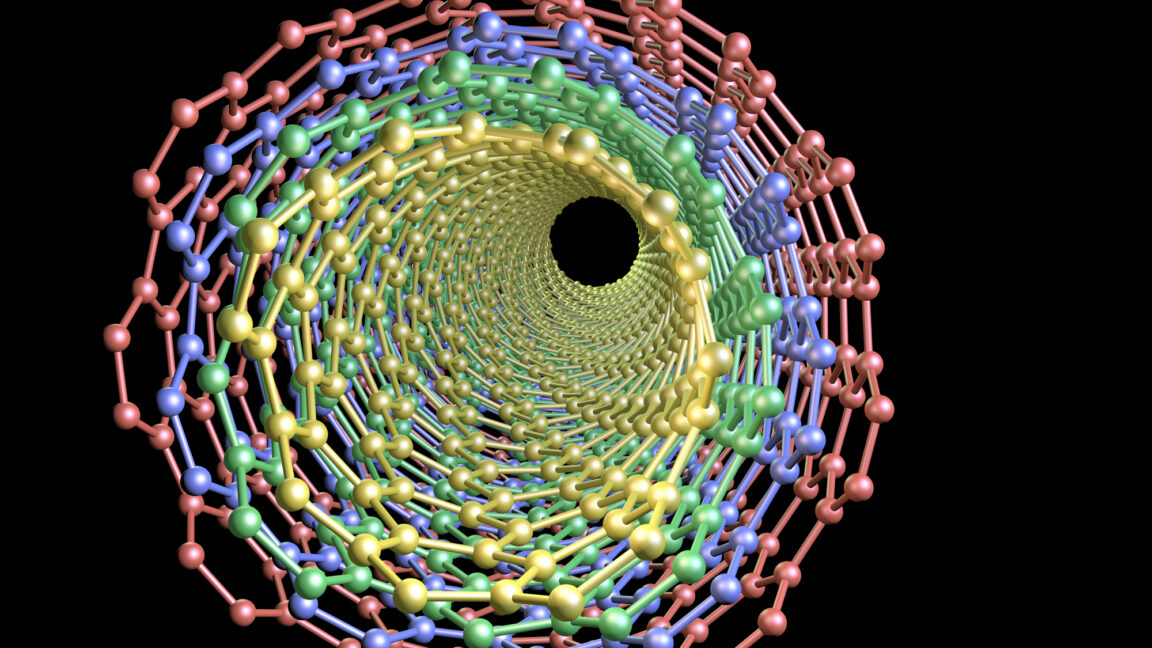
Shielding materials are essential in key modern industrial settings—such as spacecraft, nuclear power plants, semiconductor equipment, and advanced medical devices—to protect both equipment and personnel from electromagnetic waves and radiation. In particular, as space exploration gains momentum—such as with the successful launch of Artemis 2 on…

Read →
Space NASA Breaking News · 18h ago

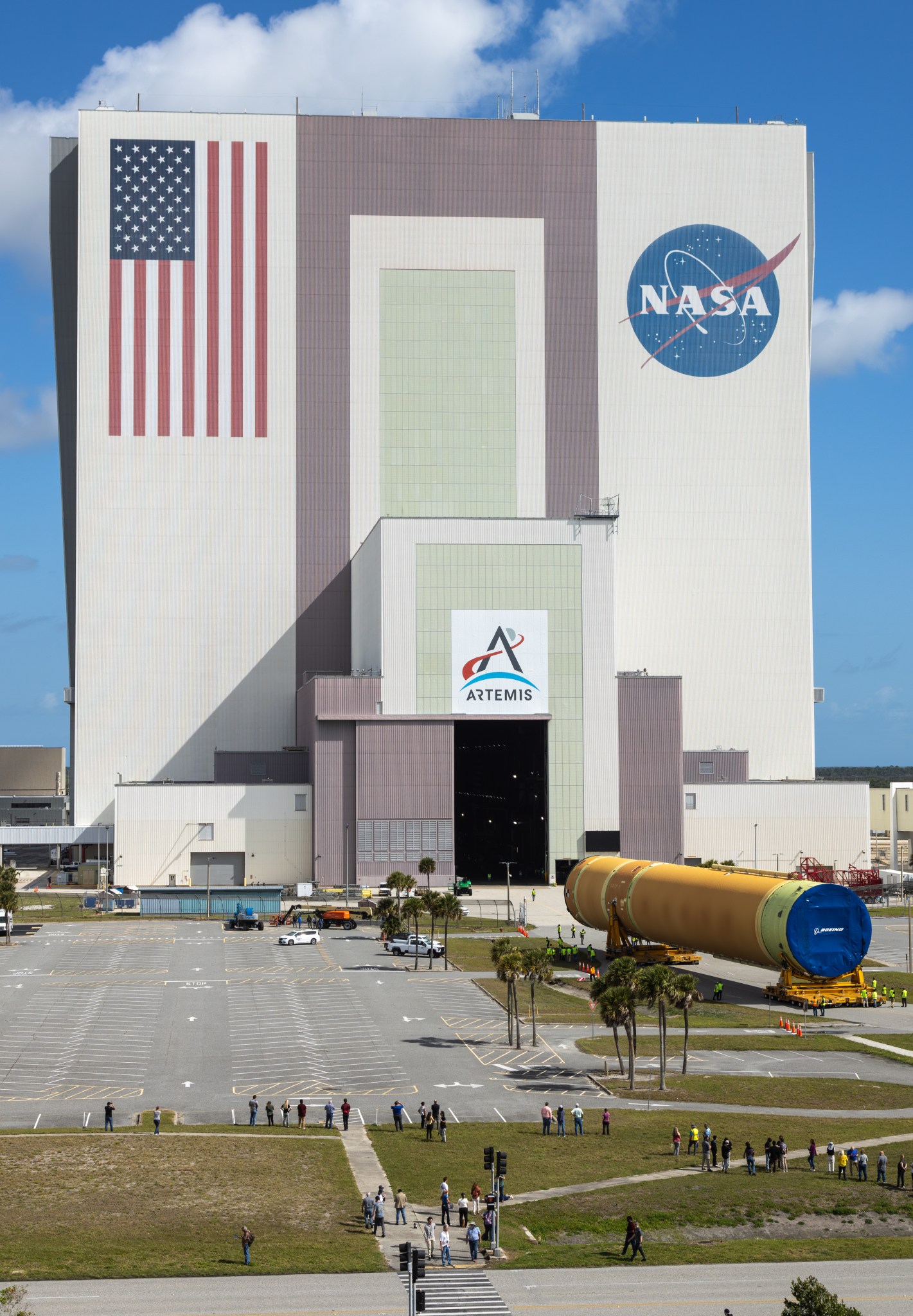
Artemis III Moon Rocket Core Stage on the Move

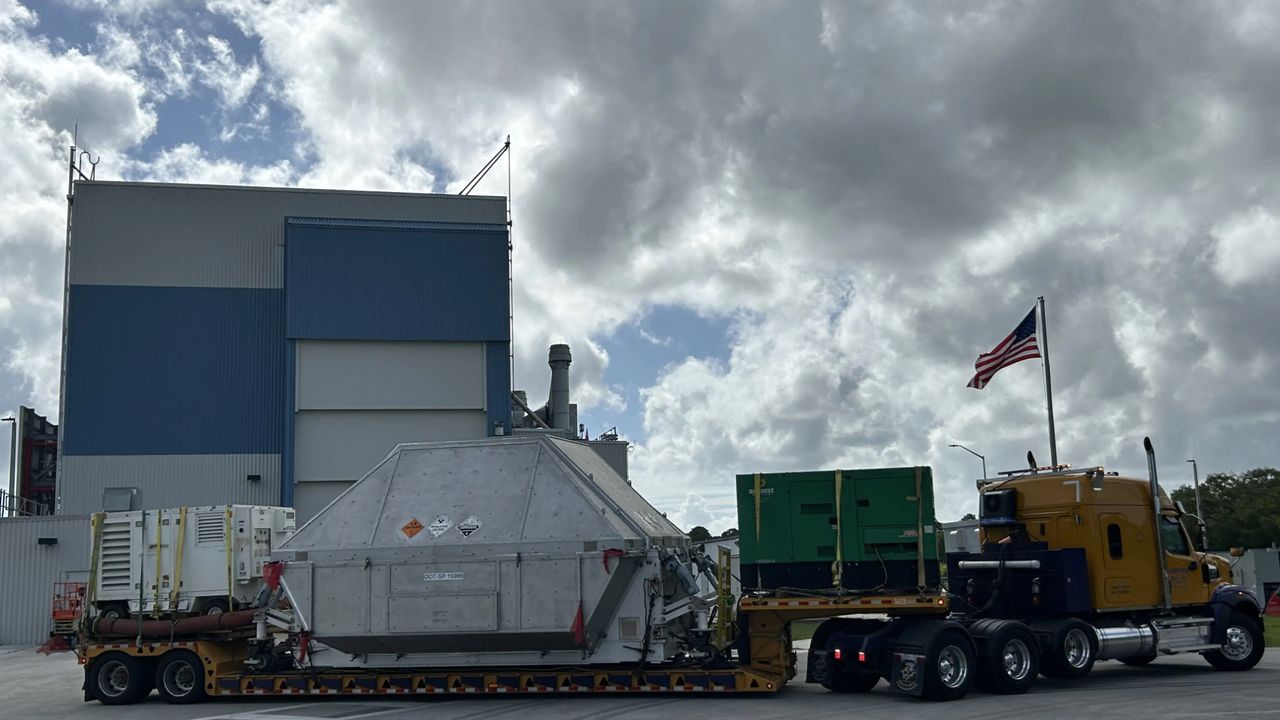
Teams move the core stage, or largest section, of the SLS (Space Launch System) rocket for NASA’s Artemis III mission into the Vehicle Assembly Building at the agency’s Kennedy Space Center in Florida in this photo from April 27, 2026. The SLS core stage traveled 900 miles on the Pegasus barge from NASA’s Michoud Assembly Facility in New…

Read →
Space NASA Breaking News · 18h ago

NASA Welcomes Morocco as 64th Artemis Accords Signatory

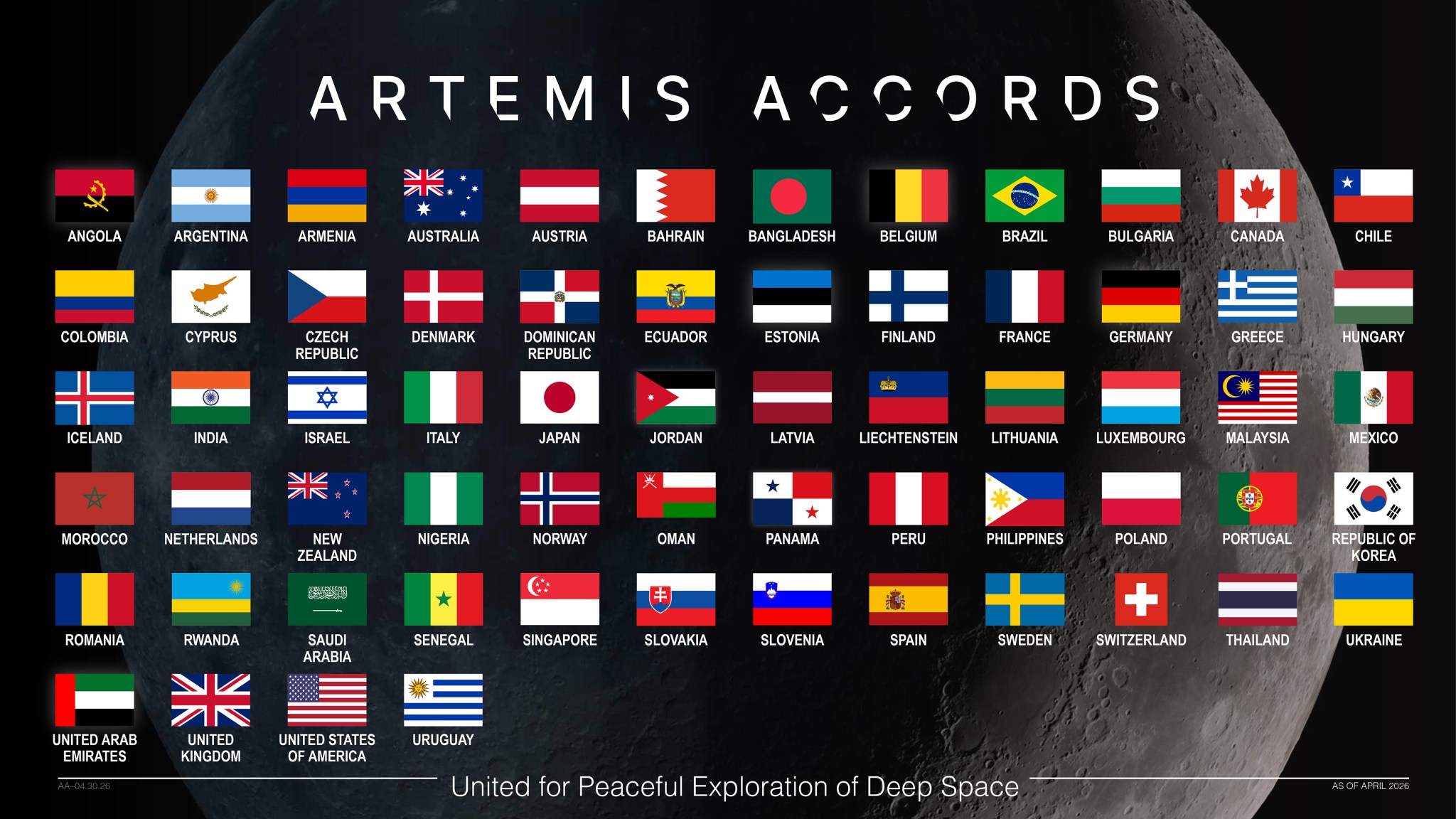
The Kingdom of Morocco signed the Artemis Accords on April 29th during a ceremony in the country’s capital, Rabat, becoming the latest nation to commit to the responsible exploration of space. “It is my privilege to welcome the Kingdom of Morocco as the newest signatory to the Artemis Accords,” said NASA Administrator Jared Isaacman in […]
Read →
Space Phys.org Space · 9h ago

US–Indian space mission maps extreme subsidence in Mexico City

One of the most powerful radar systems ever launched into space has mapped the ground moving beneath one of the fastest subsiding capitals in the world: Mexico City. The findings show how quickly and reliably the NISAR (NASA-ISRO Synthetic Aperture Radar) satellite can track real-time changes across Earth's surface from orbit, unhindered by…

Read →
Space ESA Top News · 22h ago

This Month at ESA: April 2026

Video: 00:03:10 What did space deliver for Europe this month? From the Moon to low Earth orbit and beyond, here’s what the European Space Agency has been up to.

Read →
Space Phys.org Space · 13h ago

DAMPE satellite reveals cosmic rays share spectral break near 15 teravolts

A century after their discovery, cosmic rays—particles of extreme energy originating from the far reaches of the universe—remain a mystery to scientists. The DAMPE (Dark Matter Particle Explorer) space telescope is tackling this phenomenon, particularly investigating the role that dark matter may play in their formation. This international…

Read →
Space NASA Breaking News · 19h ago

NASA Goddard’s Greenbelt Visitor Center Marks 50th Anniversary

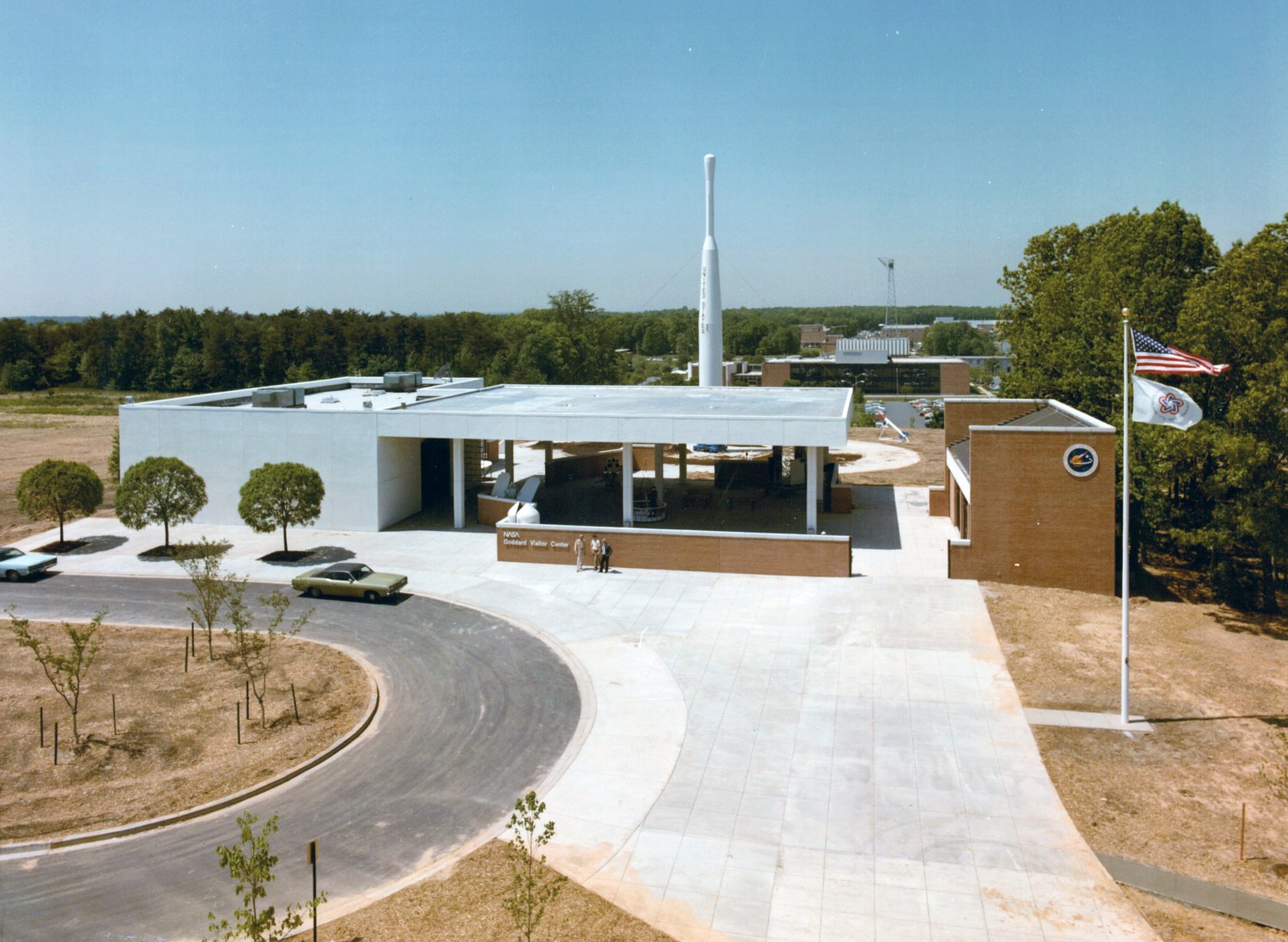
Trimmed in bicentennial pageantry, NASA opened a visitor center at its Goddard campus in Greenbelt, Maryland, in May 1976. Fifty years on, the Goddard Visitor Center continues to inspire through exhibits and programs on the past, present, and future of space exploration. “NASA’s 1958 charter tasks us with sharing our work as broadly as we […]

Read →
Space Phys.org Space · 1d ago

ESA's Proba 3 is unlocking secrets of the solar wind

It has been a dream of astronomers and solar scientists for ages. A new mission gives solar researchers a powerful new tool in their arsenal: on-demand, total solar eclipses. Launched in 2024, The European Space Agency's Proba-3 mission has proven the feasibility of a free-flying, space-based coronagraph. Now, the first science results from the…

Read →
Space Phys.org Space · 1d ago

Image: A gently glowing galaxy

A luminous swirl set against the deep black of space, the barred spiral galaxy IC 486 glows with a soft, ethereal light in this NASA Hubble Space Telescope image from April 13, 2026.

Read →
Space Phys.org Space · 1d ago

NASA connects little red dots with Chandra and Webb

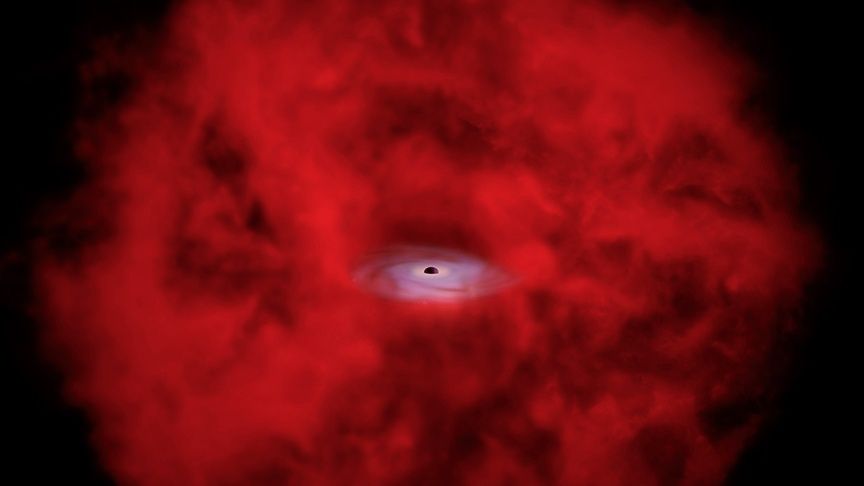
A newly discovered object may be a key to unlocking the true nature of a mysterious class of sources that astronomers have found in the early universe in recent years. A "X-ray dot" found by NASA's Chandra X-ray Observatory could explain what these objects are. A paper describing the results is published in The Astrophysical Journal Letters.

Read →
Space NASA Breaking News · 18h ago

Odyssey Team Celebrates on a Global Map of Mars

Description Team members past and present from NASA’s 2001 Mars Odyssey orbiter mission gathered on April 15, 2026, to celebrate 25 years since the spacecraft’s launch, which took place April 7, 2001. For the occasion, the team rolled out a giant global map of Mars created using imagery from Odyssey’s THEMIS (Thermal Emission Imaging System) […]

Read →
Space ESA Top News · 1d ago

Baking a parachute for Mars

Video: 00:02:02 Watch ESA’s Mars chief engineer Albert Haldemann explain the sterilisation process of one of the parachutes of the ExoMars Rosalind Franklin rover mission and why it matters. Carefully wrapped inside a donut-shaped bag is a 35-m diameter parachute, about to be baked inside a specialised dry-heat steriliser oven. The parachute…

Read →
Space ESA Top News · 4h ago

Earth from Space: Netherlands in bloom

Image: Captured by the Copernicus Sentinel-2 mission on 21 April 2026, this image shows a double bloom in the Netherlands: an array of vibrant colours in the tulip fields as well as the blue-greenish swirls of phytoplankton in the North Sea.

Read →
Space NASA Breaking News · 15h ago

NASA Invites Media to Ireland Artemis Accords Signing

Ireland will sign the Artemis Accords during a ceremony at 3 p.m. EDT Monday, May 4, at NASA Headquarters in Washington. NASA Administrator Jared Isaacman will host Ambassador of Ireland to the United States of America Geraldine Byrne Nason; Minister for Enterprise, Tourism and Employment Peter Burke, T.D., of Ireland; and U.S. Department of…

Read →
Space NASA Breaking News · 19h ago

NASA Explores Prioritizing First Response Drones in Crowded Skies

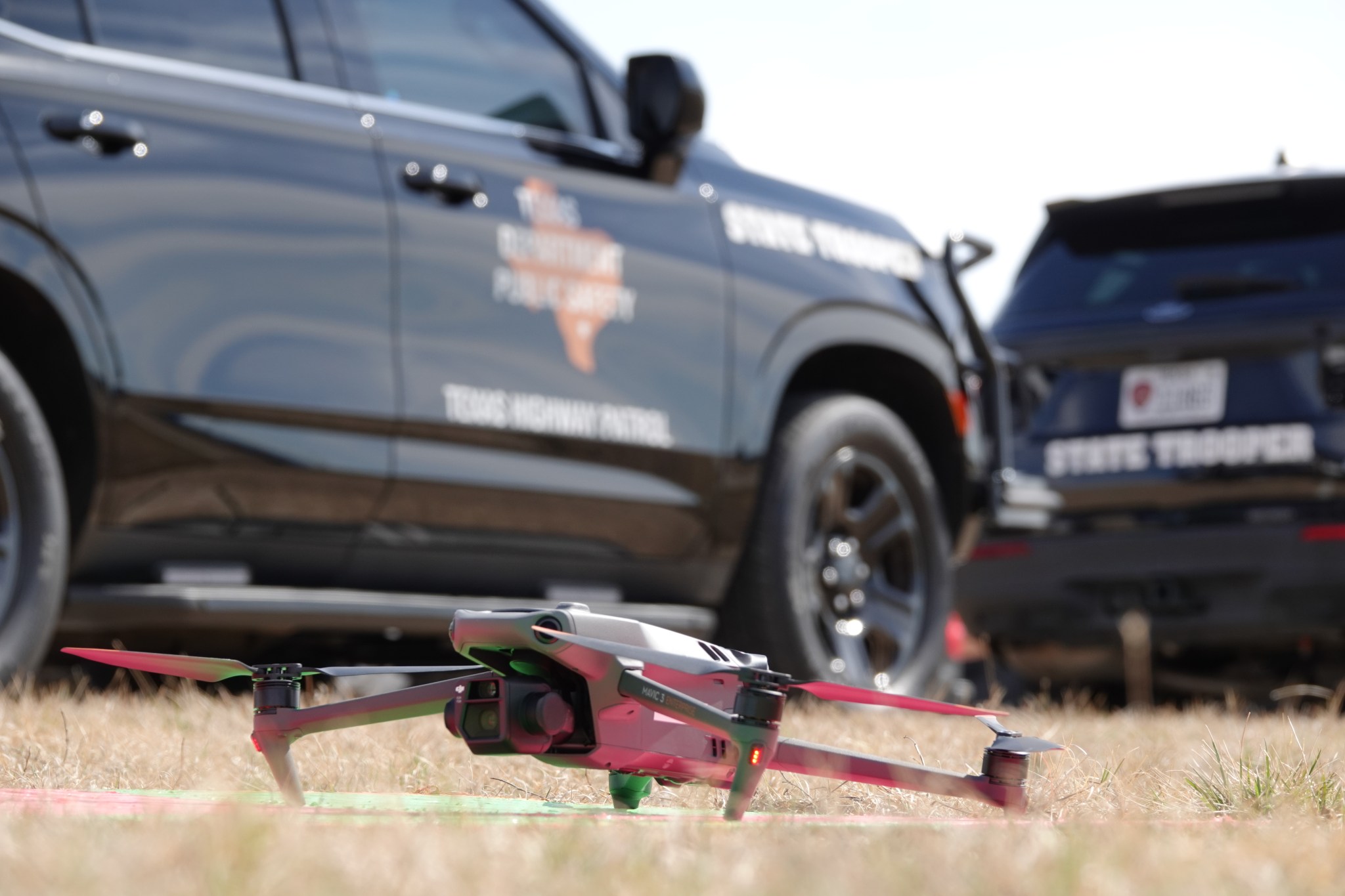
Our streets are crowded with commuters and delivery vehicles, but when a police car or fire engine approaches with its lights and sirens on, drivers clear the way. In the coming years, drones for deliveries and other commercial tasks will become common in the skies over our communities, and NASA is working to ensure first […]

Read →
Space NASA Breaking News · 1d ago

I Am Artemis: Ryan Schulte

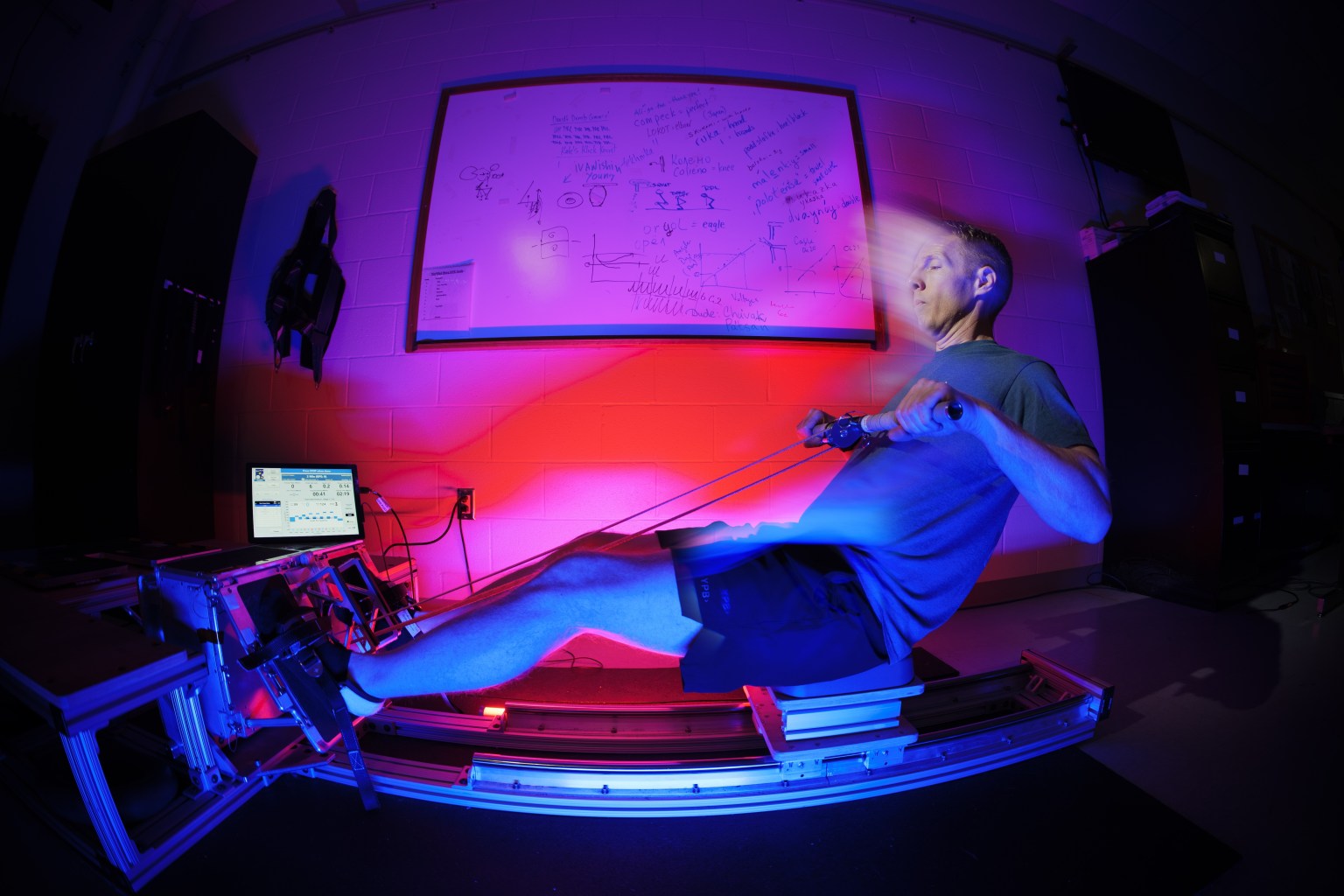
Listen to this audio excerpt from Ryan Schulte, Orion flywheel project manager: As the four Artemis II astronauts traveled on a 694,481-mile journey around the Moon and back, the Orion spacecraft provided them with all the essentials for deep space life, including daily exercise. The crew used an exercise device called the flywheel throughout…

Read →
Space Phys.org Space · 2d ago

Newly confirmed supernova remnant is one of the faintest ever detected

An international team of astronomers reports the discovery of a new supernova remnant (SNR) using radio observations. The newfound supernova remnant, dubbed Abeona, is one of the faintest radio SNRs so far detected. The discovery is detailed in a research paper published April 21 on the arXiv preprint server.

Read →
Space Phys.org Space · 3d ago

Perseverance and Curiosity panoramas reveal dual sides of Mars

NASA's Curiosity and Perseverance rovers have captured two 360-degree landscapes that highlight how the missions are revealing details of the Red Planet's formation, watery past, and potential for life. Located 2,345 miles (3,775 kilometers) apart from each other on Mars—about the distance from Los Angeles to Washington, D.C.—both rovers are…

Read →
Space Phys.org Space · 18h ago

Near-relativistic swarm could image Proxima b at 20-meter resolution and scan for biosignatures, paper says

Laser sail propulsion is an idea that won't go away. By aiming powerful Earth-based lasers at tiny spacecraft with light sails, tiny spacecraft can be accelerated to near-relativistic speeds without carrying fuel or an energy source, and without carrying any kind of propulsion system at all. There are clear advantages to this idea, if it can be…

Read →
Space ESA Top News · 1d ago

Stunning images from Biomass mark its one year in orbit

To mark the first anniversary of the European Space Agency’s Biomass satellite, we present a selection of striking images captured over the past 12 months, revealing Earth’s forests, and much more, in new detail. In just one year, this pioneering mission has begun transforming our understanding of forest dynamics and advancing how scientists…

Read →
Space ESA Top News · 1d ago

Another one: Ariane 6 flies with four boosters once more

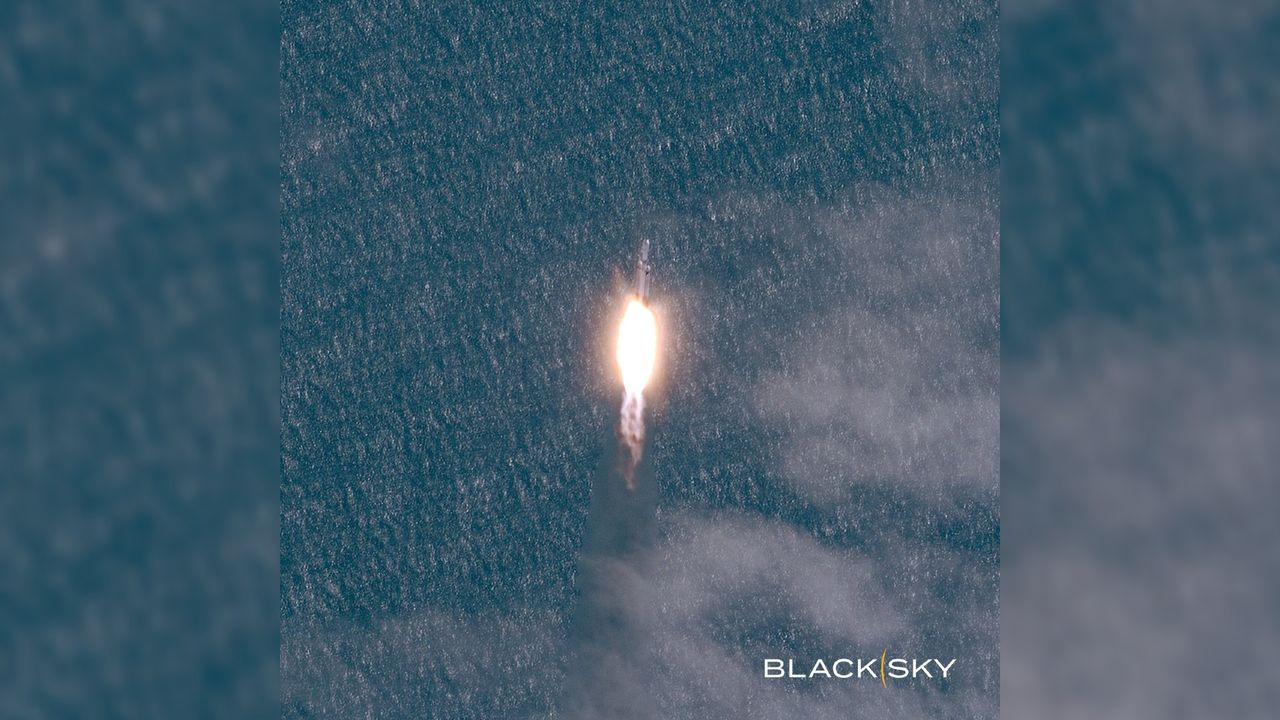
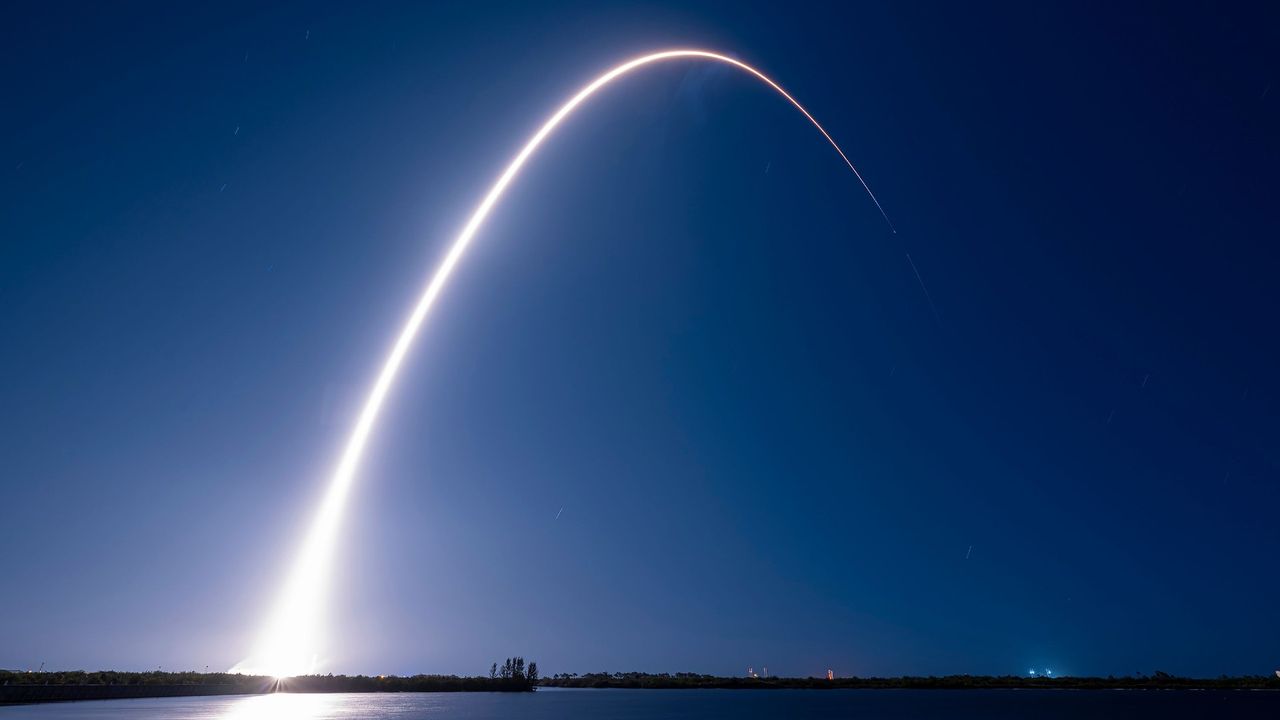
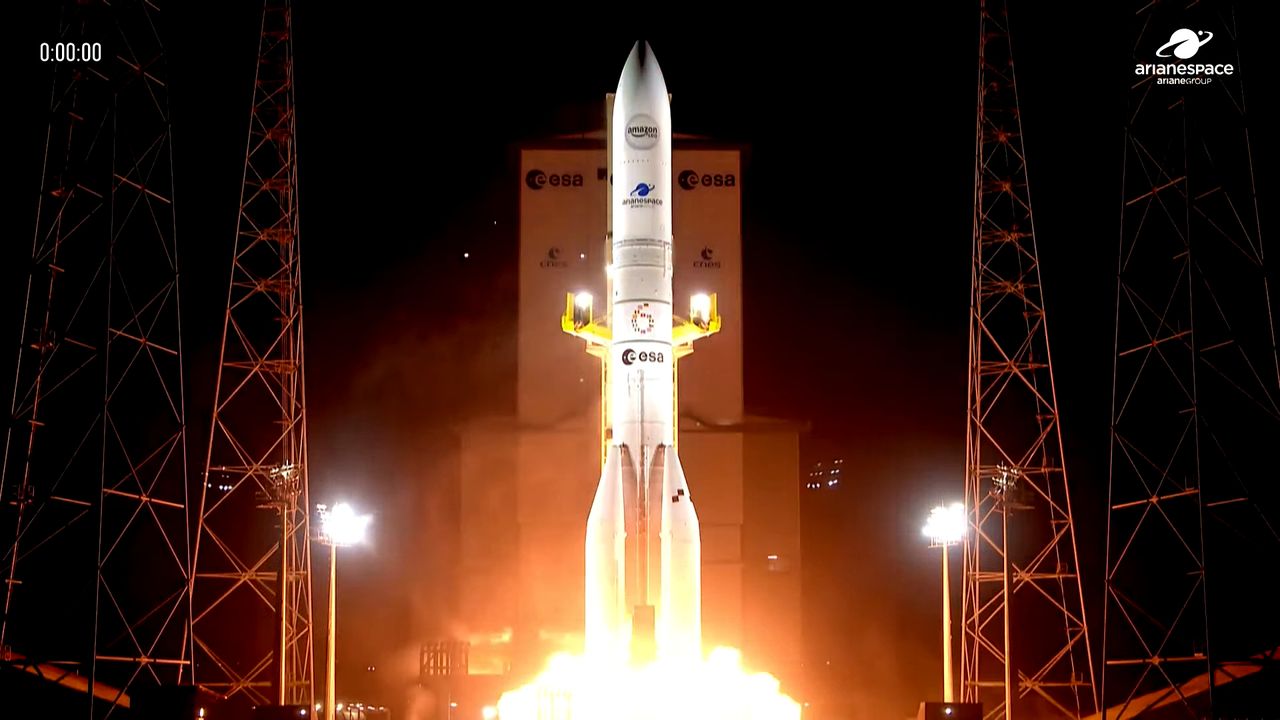
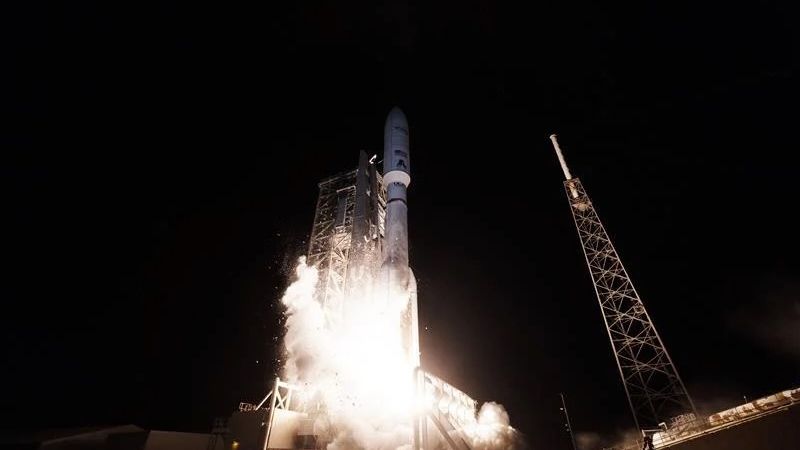
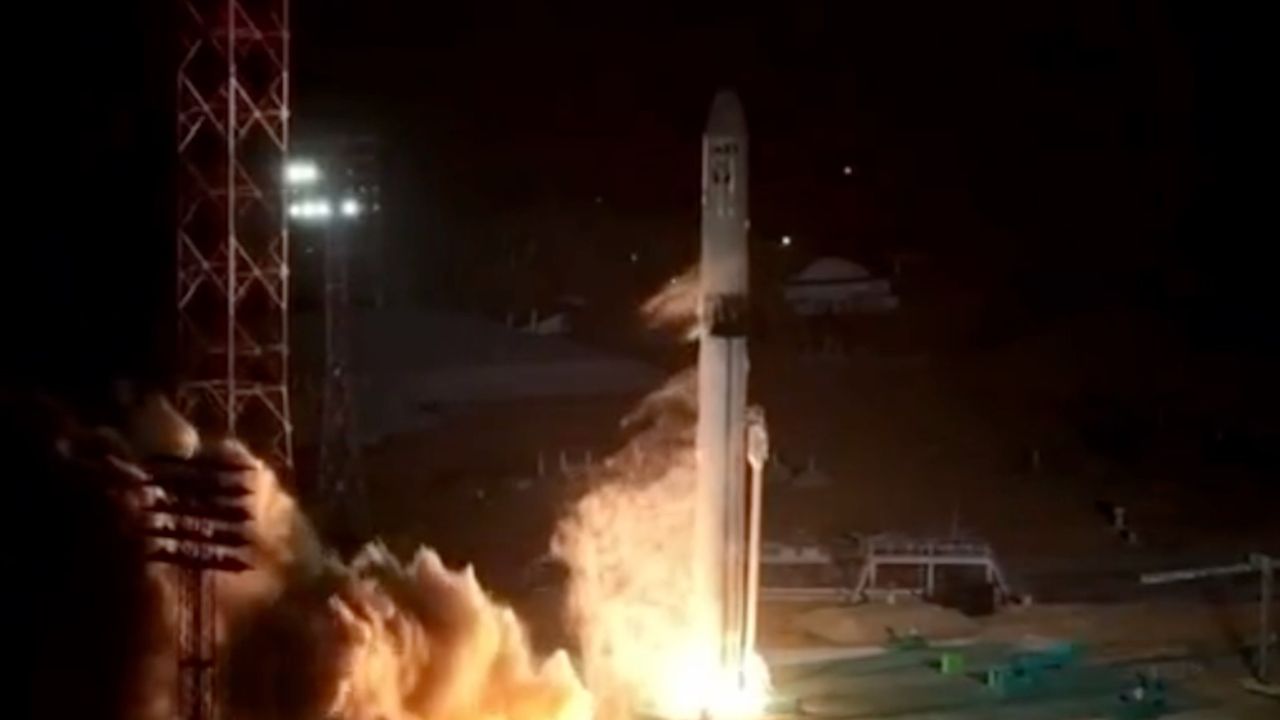
Updated on 30 April 2026 On 30 April 2026, four P120C boosters ignited and lifted Ariane 6 to the skies, for the second time. Flight VA268 took 32 satellites for Amazon’s Leo constellation to low-Earth orbit. Liftoff occurred at 05:57 local time (09:57 BST/10:57 CET) from Europe’s Spaceport in French Guiana, with separation of the last satellites…

Read →
Space Phys.org Space · 19h ago

LHAASO discovers new extreme particle accelerator in the Milky Way

The Large High Altitude Air Shower Observatory (LHAASO) has made a breakthrough in exploring the extreme universe. For the first time, the LHAASO collaboration has detected ultra-high-energy (UHE) gamma rays—with energies exceeding 100 trillion electron-volts (TeV)—from a gamma-ray binary system, LS I +61° 303. The discovery challenges existing…

Read →
Space Phys.org Space · 19h ago

A lost galaxy called 'Loki' may be hiding inside the Milky Way

The Milky Way galaxy grew into its current form with the help of smaller galaxies over time, which it has "consumed" or merged with. Astronomers are able to pick out which stars in the Milky Way came from other galaxies by identifying certain features, like the eccentricities of their galactic orbits and how many heavier elements they contain.…

Read →
Space Phys.org Space · 1d ago

Designing in situ power stations for future Mars missions

You're in the lab analyzing Martian regolith samples within your cozy Mars habitat serving on the fifth human mission to Mars. The power within the habitat has been flowing flawlessly thanks to the MARS-MES (Mars Atmospheric Resource & Multimodal Energy System), including the general habitat lighting, science lab, sleeping quarters, exercise…

Read →
Space Phys.org Space · 21h ago

One overlooked mineral may have quietly powered a crucial step toward life on early Earth

Manganese dioxide can convert amino acids into hydrogen cyanide (HCN) without requiring methane, a finding that solves a long-standing puzzle about the origin of this key prebiotic molecule on early Earth. Although HCN is central to origin-of-life theories, recent evidence suggests early Earth's atmosphere didn't contain sufficient methane needed…

Read →
Space Phys.org Space · 23h ago

GP Com observations sharpen picture of a rare ultracompact binary system

Using the Rozhen National Astronomical Observatory, Bulgarian astronomers have conducted optical photometric observations of an ultracompact binary known as GP Com. Results of the observational campaign, presented in the Proceedings of the Bulgarian Academy of Sciences, shed more light on the properties of this system.

Read →
Space Phys.org Space · 3d ago

Mining the solar system to build a new world

I watched Armageddon again fairly recently with Bruce Willis, oil drillers in space and an asteroid the size of Texas bearing down on Earth. Buried beneath the Hollywood chaos is a genuinely interesting question: What exactly could we do with an asteroid if we got our hands on one? As it turns out, the answer has nothing to do with blowing it up,…

Read →
Space ESA Top News · 3h ago

Sentinel-1D goes live: a milestone for Europe’s radar mission

The Copernicus Sentinel-1D satellite, launched last November , is now fully operational after successfully completing its critical in-orbit commissioning phase. With all four Sentinel-1 satellites having now been deployed, this achievement marks a major milestone for this flagship radar mission – a journey that began more than a decade ago and…

Read →
Space Phys.org Space · 2d ago

Image: Fiery fall color in southern Chile

The bright whites of mountain snow, muted browns of the arid plains, and gem-like blues and teals of glacial lakes typically dominate the Patagonian color palette. But for a short time in the austral autumn, temperate deciduous forests add splashes of warm tones. On April 12, 2026, a break in the clouds allowed the Landsat 9 satellite to capture…

Read →
Space Phys.org Space · 3d ago

JWST hunts for an 'Earth-moon' twin in a habitable zone, but the star has other plans

The moon has played a huge role in the development of Earth. It stabilizes the planet, tempers dramatic climate swings, and possibly even provides the tidal heating that might have led to the first life forms. So it's natural we would want to find a similar Earth/Luna system somewhere else in the cosmos. But astronomers have been searching for…

Read →
Space Phys.org Space · 1h ago

How do close binary stars form?

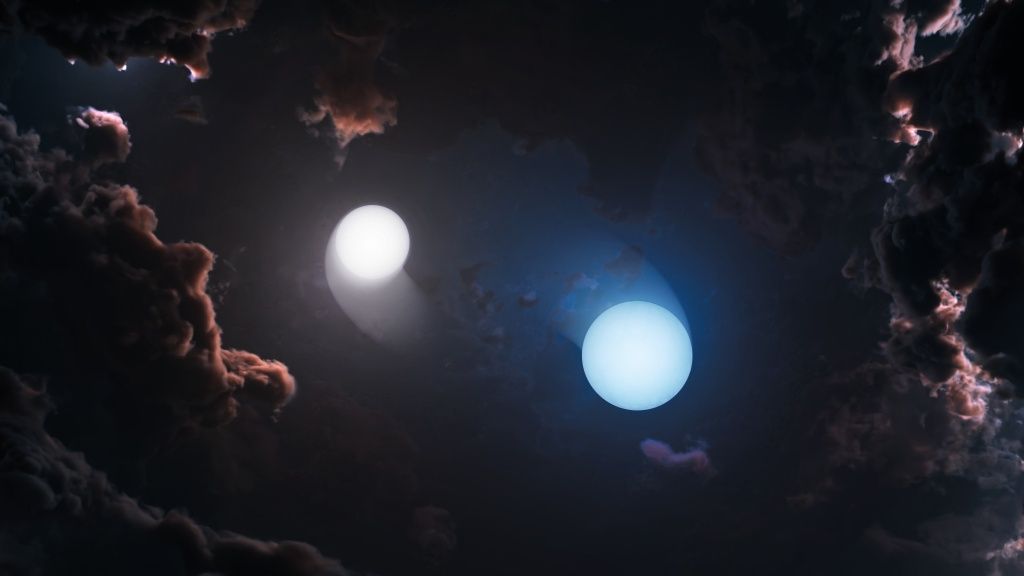
Our sun is a bit of an outlier in the general stellar population. We typically think of stars as being solitary wanderers throughout the galaxy. But roughly half of sun-like stars are locked in with more than one companion star. If there are two, it's known as a "binary" system, but in many cases there are even more stars all collectively tied…

Read →
Space Phys.org Space · 2d ago

Astronomers release massive set of 'virtual universes' for global research

Understanding the universe as a whole requires simulations on cosmic scales. An international team of astrophysicists, with a leading role for researchers at Leiden University, Netherlands, has now released one of the largest cosmological simulation datasets ever produced. The dataset contains more than 2.5 petabytes of simulation data—roughly…

Read →
Space Phys.org Space · 3d ago

ALMA reveals giant molecular clouds across Needle galaxy's full disk

An international team of astronomers has employed the Atacama Large Millimeter/submillimeter Array (ALMA) to perform high-resolution observations of the Needle galaxy. Results of the new observational campaign, presented April 15 on the arXiv preprint server, provide more insights into the properties of molecular gas in this galaxy.

Read →
Space Phys.org Space · 3d ago

Why stars spin down, or up, before they die

From birth to death, stars generally slow by 100 to 1,000 times their initial rotation rates; in other words, they "spin down." The sun's total angular momentum has declined as material is gradually blown off at the surface as solar wind. By observing this, astronomers have theorized the interaction between magnetic fields and plasma flow to be…

Read →
Space Phys.org Space · 3d ago

Two suns are better than one—planets thrive around binary stars

Planets may actually form more easily around double stars than around single stars like our sun, according to new research from astrophysicists at the University of Lancashire. Binary stars are common in our galaxy, yet for a long time astronomers believed that the gravitational tug-of-war between two stars would make it harder for circumbinary…

Read →